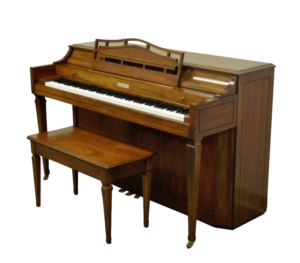
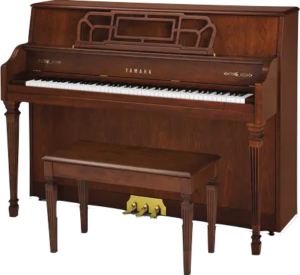
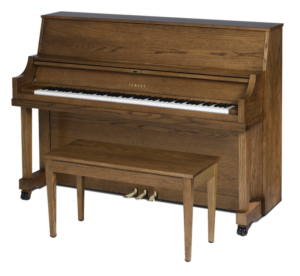
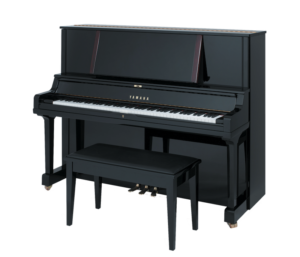
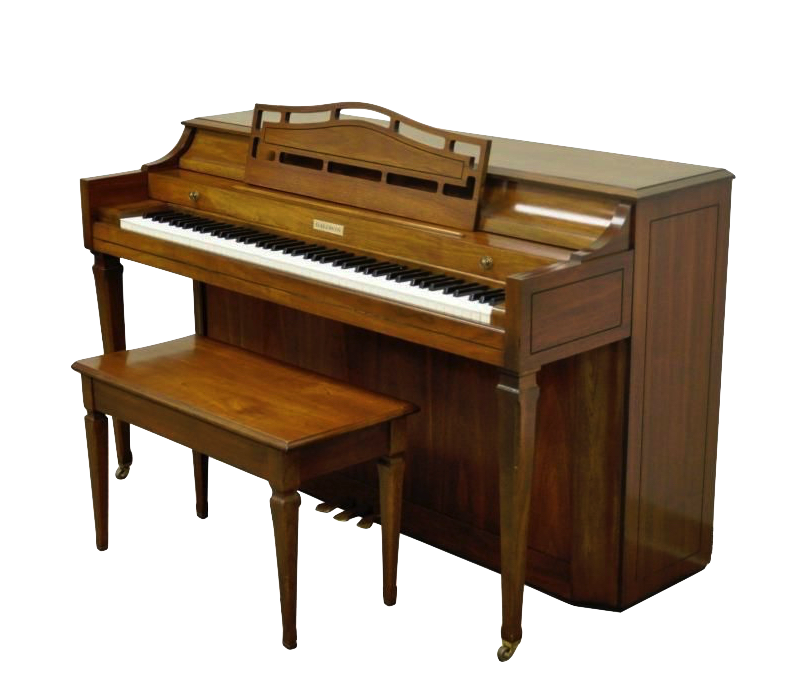
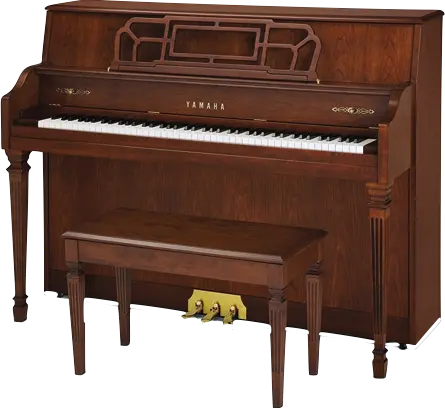
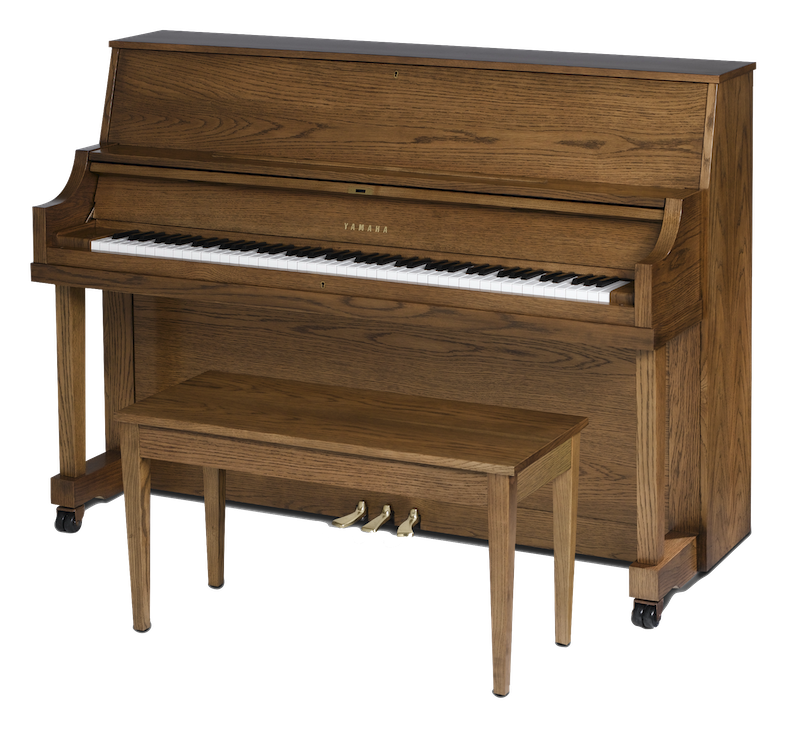
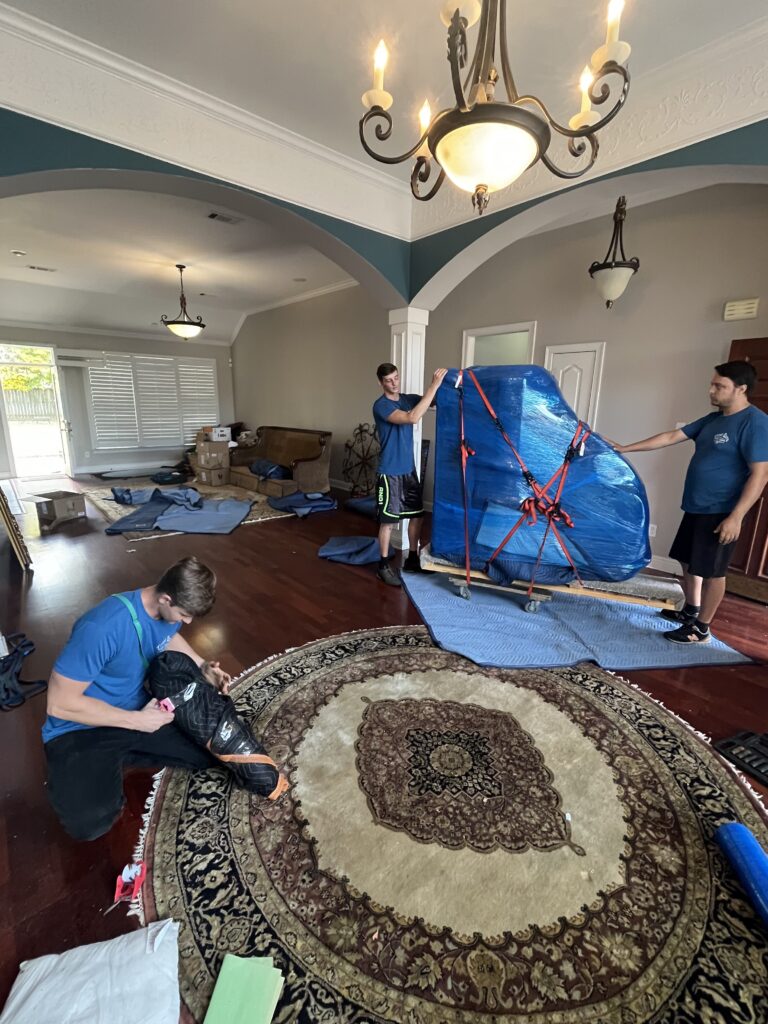
A piano is deceptively hard to move. It is heavy — a spinet is a few hundred pounds, a full upright can reach 800 or more, and a grand can top 1,000 — but the real problem is how that weight is carried: high and off-center on an upright, spread across a long, curved rim on a grand. Handled wrong, a piano damages its own finish and soundboard, gouges floors and door frames, and puts a crew at real risk. Handled right, it is a controlled, unremarkable move. The difference is equipment and experience, not muscle.
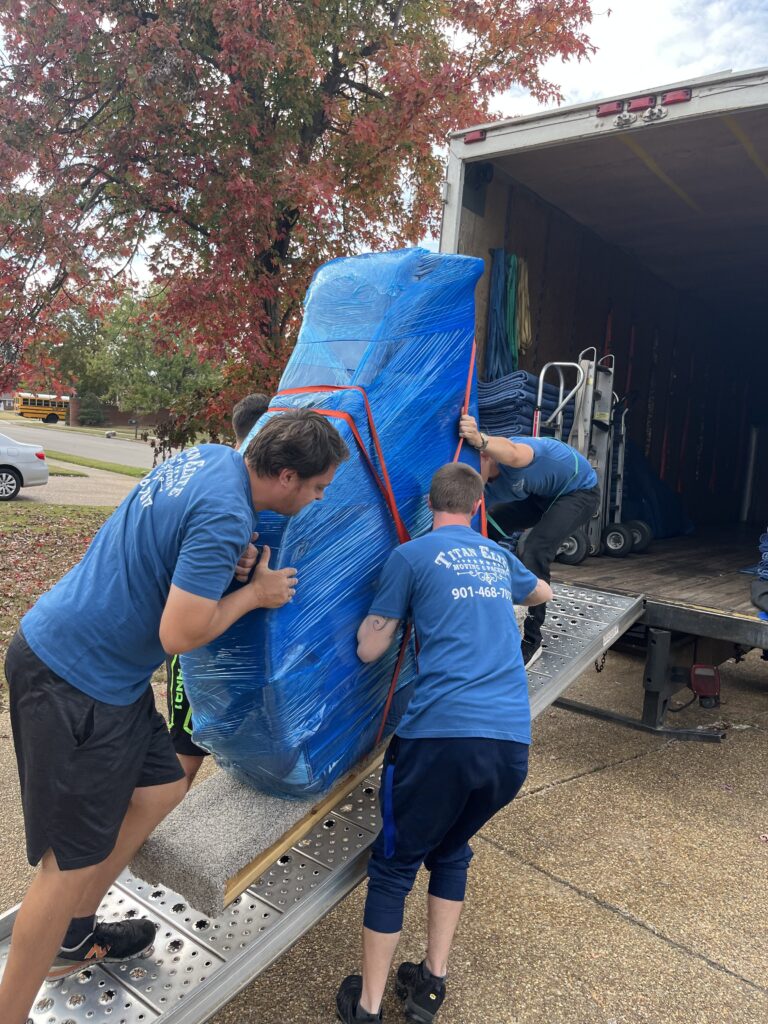
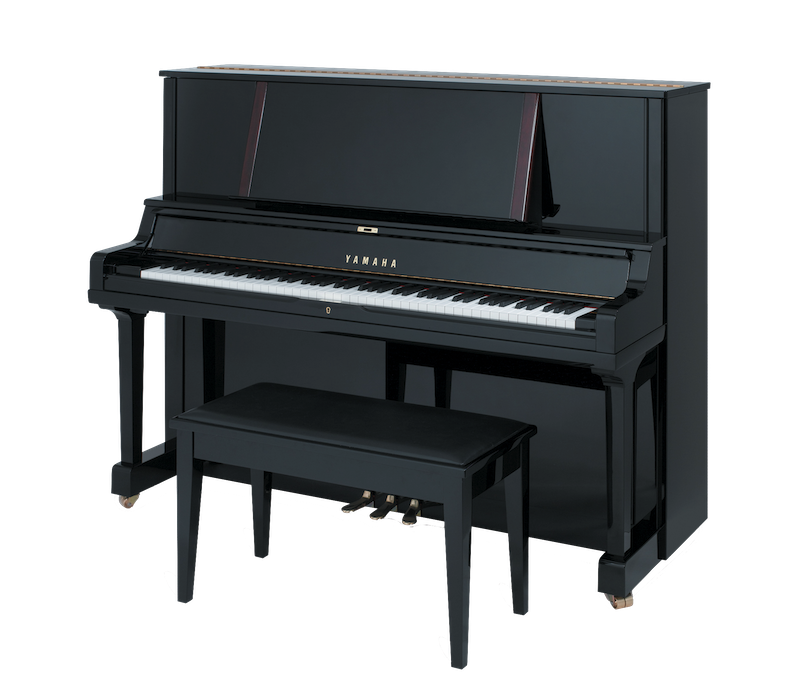
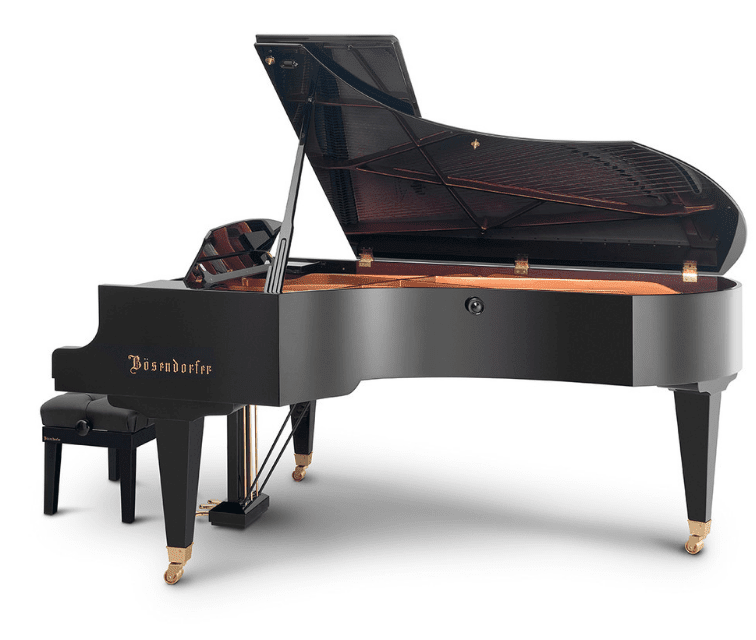
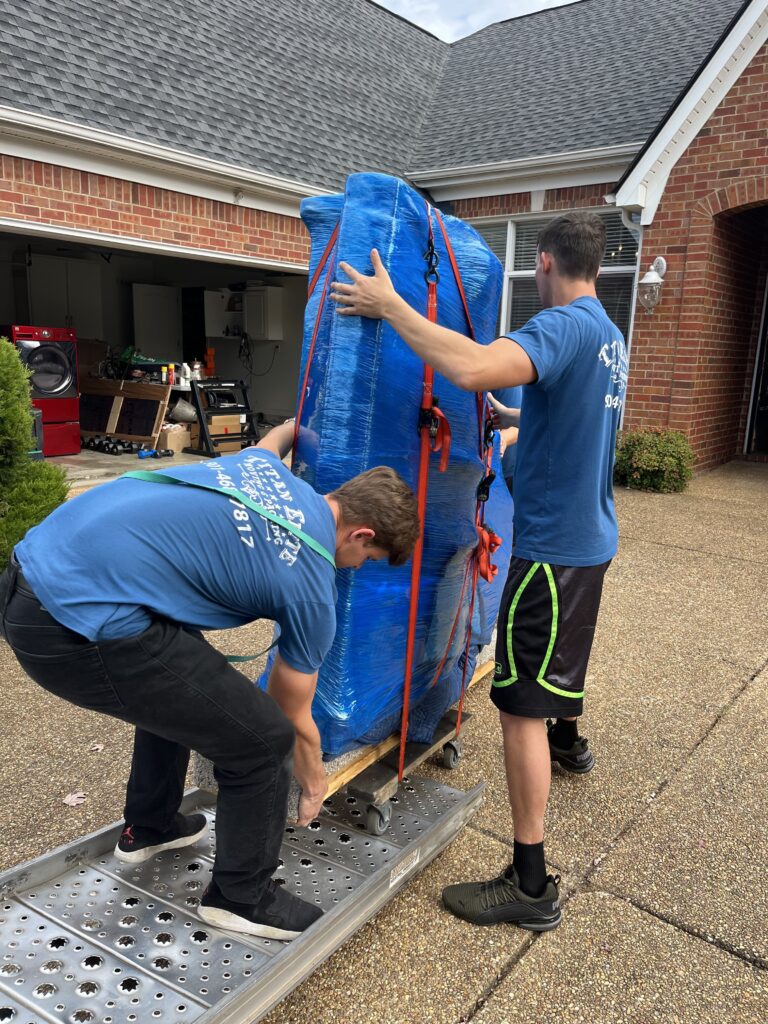
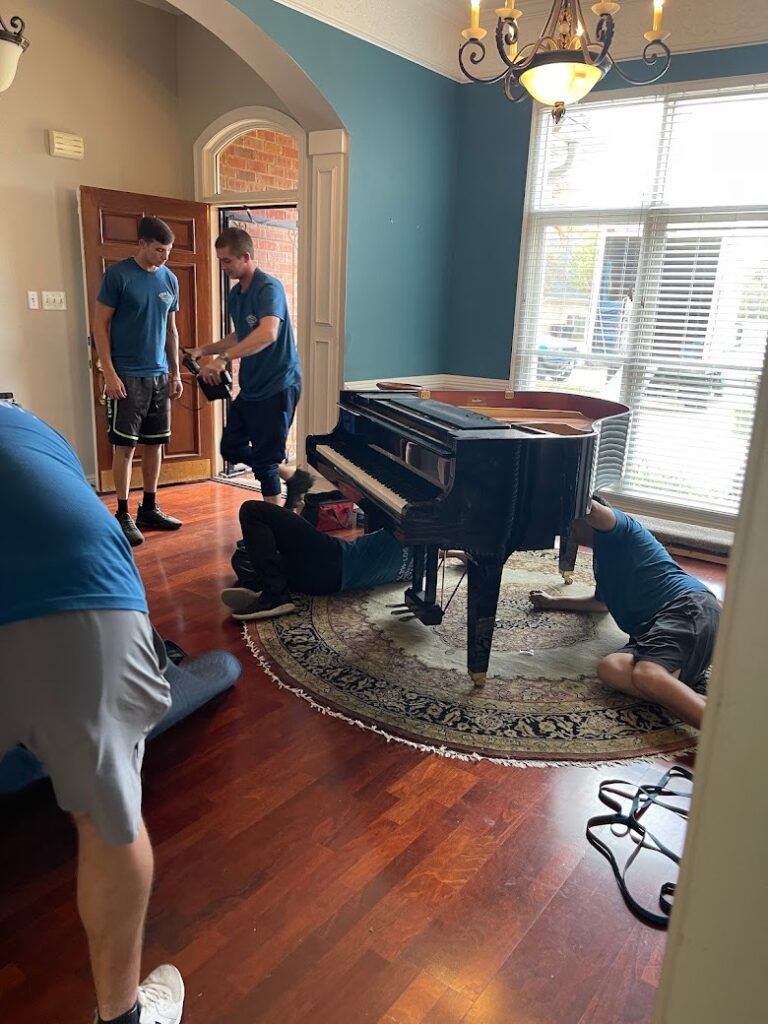
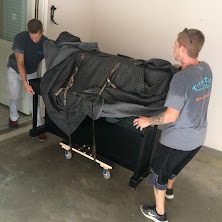
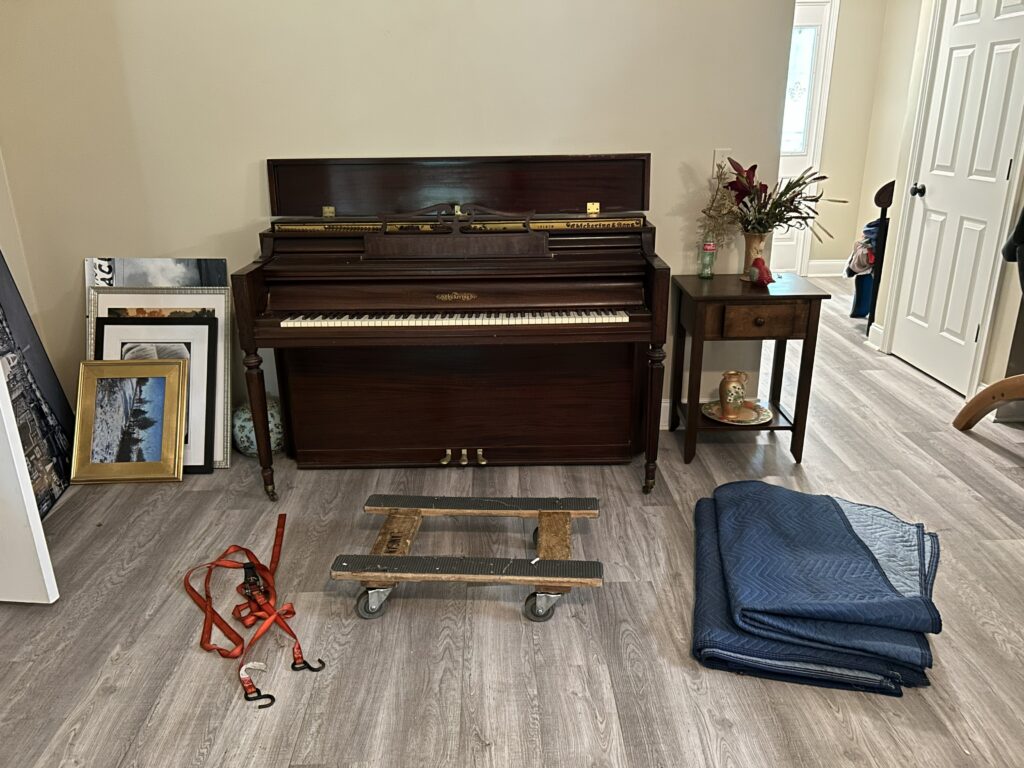
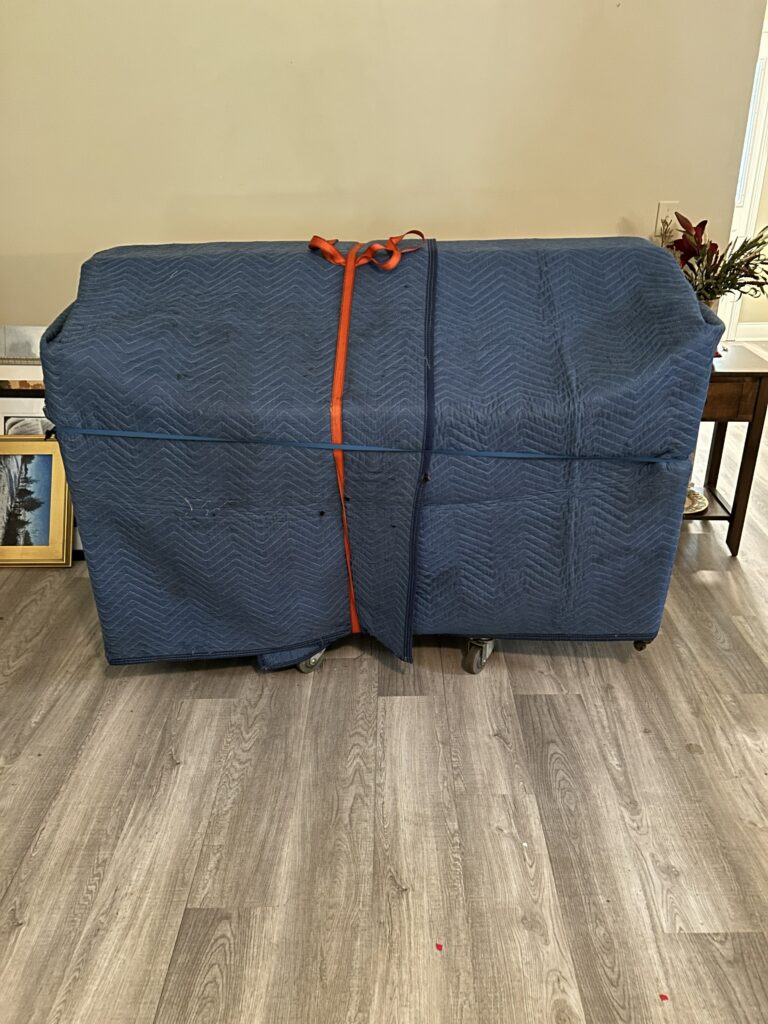
We move every kind: spinets, consoles, and studio uprights; baby grands and grands — to a new home, or across the same property when you are rearranging a room or changing floors. An upright is padded and wrapped, lifted onto a four-wheel piano dolly, strapped securely, and moved under full control — upright the whole way. When a grand is tipped vertically and moved on its side, the legs and pedal lyre come off, the case is padded and moved on a padded skid board, then reassembled and set where you want it. That disassembly is not automatic on every grand move; it depends on the path and how the instrument has to travel. Stairs, tight turns, and narrow doorways are the parts most people worry about, and they are exactly what the crew and a planned path are for. Plan to have the piano tuned a few weeks after a move, once it has settled into the new room's temperature and humidity — that is normal for the instrument, not a Titan tuning service, and not a sign anything went wrong.